Thermal Pad

Thermal Pad

Silicone Type
| Properties | Thickness | Thermal Conductivity | Thermal Impedance | Deflection | Hardness | Dielectric Breakdown Voltage | ||
|---|---|---|---|---|---|---|---|---|
| Unit | mm | W/m•K | cal/cm·sec·°C | Shore OO | KV/mm | |||
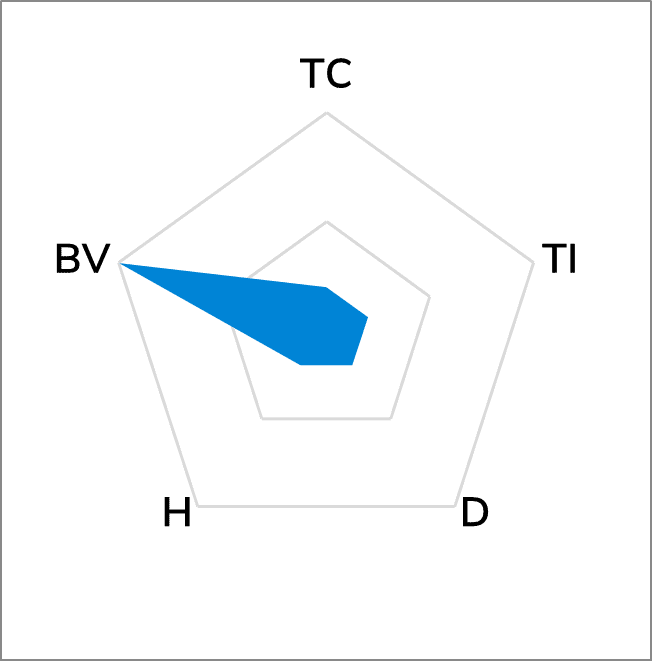 TG-A2200 Thermal Pad | 0.5~2.5 | 2.2 | 0.005258 | 0.858 | 2 | 15 | 13 | Quote & Sample |
 TG-A3500 Thermal Pad | 0.5~8.0 | 3.5 | 0.008365 | 0.8245 | 14 | 35 | 13 | Quote & Sample |
 TG-A4500 Thermal Pad | 0.5~8.0 | 4.5 | 0.010755 | 0.488 | 11 | 50 | 10 | Quote & Sample |
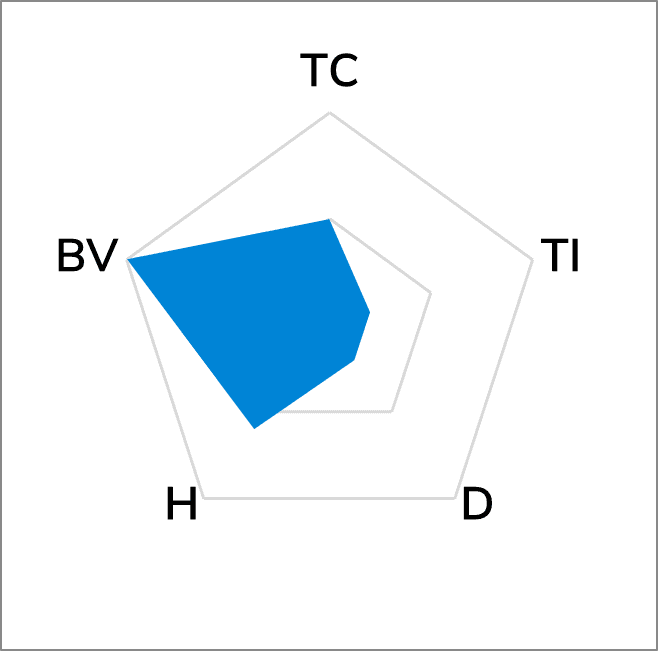 TG-A6200 Thermal Pad | 0.5~8.0 | 6.2 | 0.014818 | 0.446 | 10 | 50 | 10 | Quote & Sample |
 TG-A9000 Thermal Pad | 0.5~8.0 | 9 | 0.02151 | 0.25 | 24 | 50 | 8 | Quote & Sample |
 TG-A9000F Fiberglass Reinforced Thermal Pad | 1.0~5.0 | 7 | 0.016716 | 0.332 | 24 | 45 | 8 | Quote & Sample |
 TG-A1250 Thermal Pad | 0.5~8.0 | 12.5 | 0.029875 | 0.20315 | 48 | 55 | 10 | Quote & Sample |
 TG-A1450 Thermal Pad | 0.5~6.0 | 14.5 | 0.034655 | 0.18105 | 32 | 55 | 8 | Quote & Sample |
 TG-A1660 Thermal Pad | 0.5~6.0 | 16.6 | 0.039674 | 0.18275 | 26 | 65 | 7 | Quote & Sample |
 TG-A1780 Thermal Pad | 0.5~6.0 | 17.8 | 0.042542 | 0.119 | 20 | 70 | 8 | Quote & Sample |
 TG-AH25 High Performance Thermal Pad | 0.5~8.0 | 25 | 0.05975 | - | - | 85 | 1 | Quote & Sample |
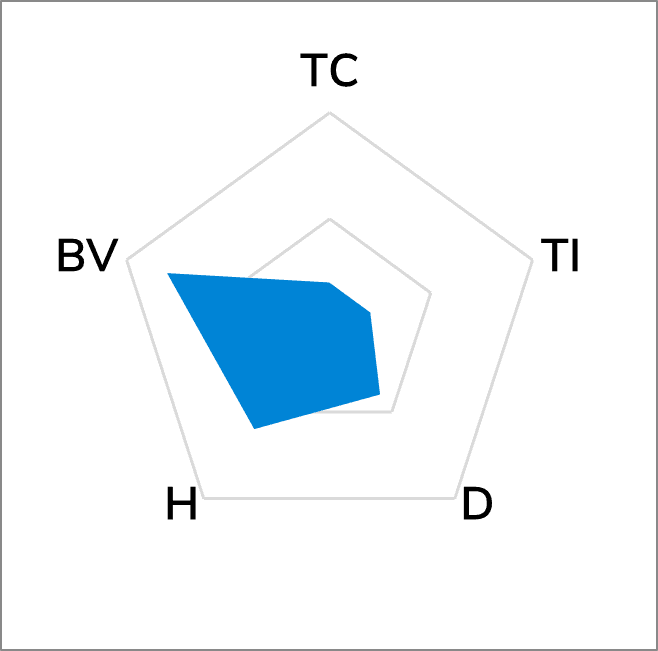 TG-A20KX Thermal Pad | 0.3~10.0 | 2 | 0.00478 | 1.374 | 13 | 55 | 12 | Quote & Sample |
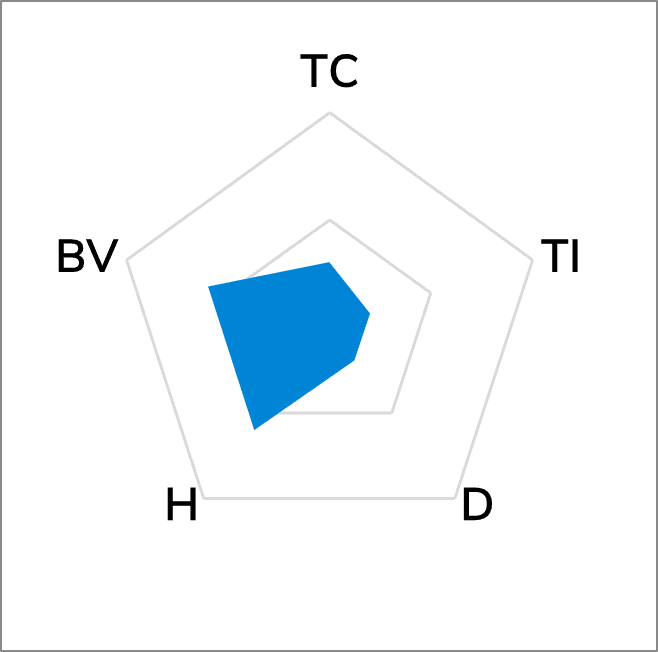 TG-A38KX Thermal Pad | 0.3~10.0 | 3.8 | 0.009082 | 0.868 | 7 | 60 | 10 | Quote & Sample |
 TG-AD30 Ultra Soft Thermal Pad | 1.0~8.0 | 3 (Test Method: ISO 22007-2) | 0.00717 | 0.255 | 65 | 10~30 | 5 | Quote & Sample |
 TG-AD30D Low-Outgassing Thermal Pad | 0.5~5.0 | 3 (Test Method: ISO 22007-2) | 0.00717 | 0.363 | 49.5 | 35 | 5 | Quote & Sample |
 TG-AD66 Ultra Soft Thermal Pad | 1.0~8.0 | 6.5 (Test Method: ISO 22007-2) | 0.015535 | 0.084 | 72.7 | 25 | 4 | Quote & Sample |
 TG-AD75 Ultra Soft Thermal Pad | 1.0~5.0 | 7.5 (Test Method: ISO 22007-2) | 0.017925 | 0.038 | 83.6 | 25 | 5 | Quote & Sample |
 TG-ALC Thermal Pad | 0.2/0.3 | 4.2 | 0.010038 | 0.181 | 4 | A60 | 4 | Quote & Sample |
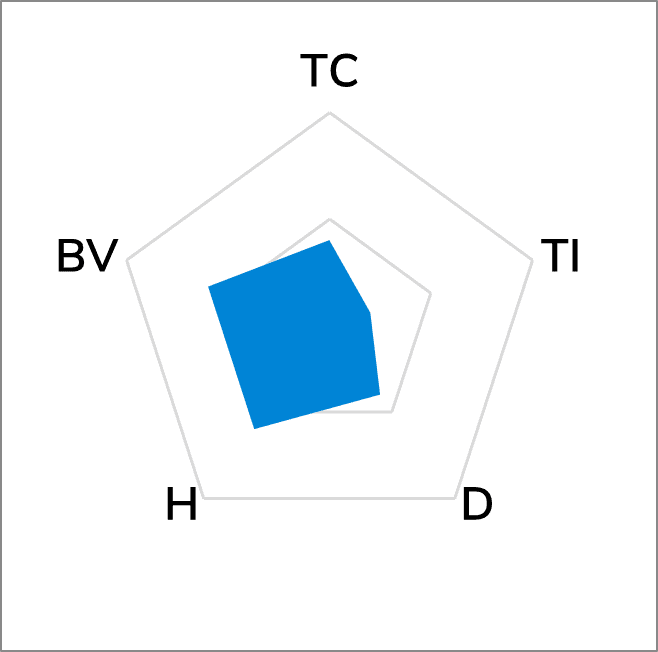 TG-A6200LC Thermal Pad | 0.5~2.5 | 5 | 0.01195 | 0.601 | 15 | 50 | 6 | Quote & Sample |
 TG-A1250LC Thermal Pad | 1.0~2.5 | 10 | 0.0239 | 0.771 | 17 | 60 | 6 | Quote & Sample |
 TG-A1800L Low Oil Bleed Thermal Pad | 0.5~8.0 | 1.8 | 0.004302 | 0.682 | 40.4 | 35 | 7 | Quote & Sample |
 TG-A3200L Low Oil Bleed Thermal Pad | 0.5~8.0 | 3.2 | 0.007648 | 0.249 | 54.8 | 35 | 6 | Quote & Sample |
 TG-A5000L Low Oil Bleed Thermal Pad | 0.5~8.0 | 5 | 0.01195 | 0.195 | 43 | 35 | 6 | Quote & Sample |
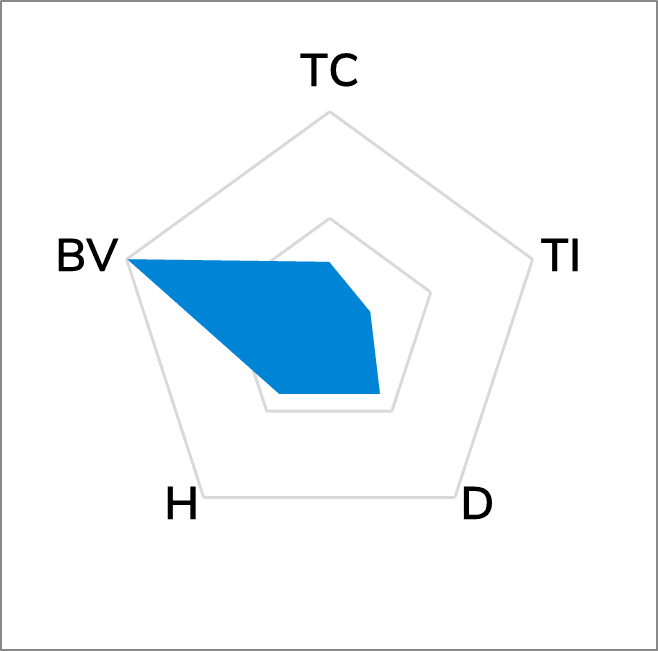 TG-A3500F Fiberglass Reinforced Thermal Pad | 0.5~11.0 | 3 | 0.00717 | 1.0149 | 14 | 35 | 18 | Quote & Sample |
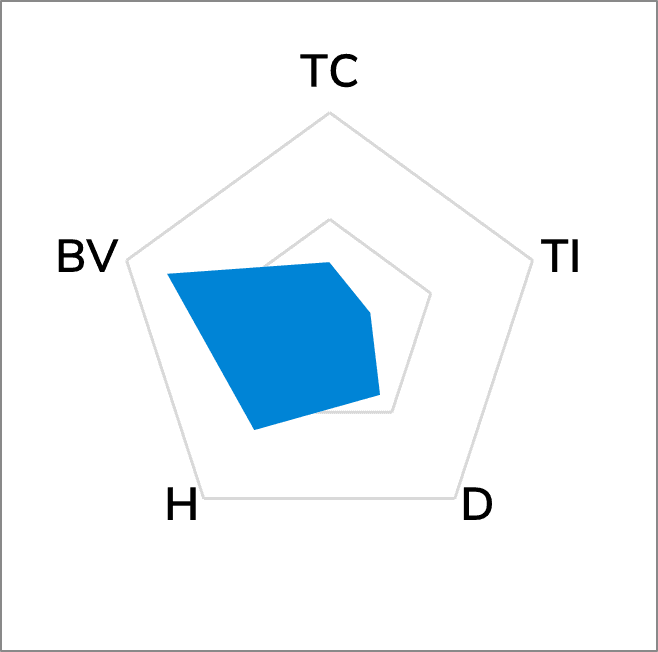 TG-A4500F Fiberglass Reinforced Thermal Pad | 0.5~11.0 | 4 | 0.00956 | 0.63612 | 18 | 50 | 11 | Quote & Sample |
 TG-A6200F Fiberglass Reinforced Thermal Pad | 0.3/0.5 ~11.0 | 5 | 0.01195 | 0.5814 | 15 | 50 | 12 | Quote & Sample |
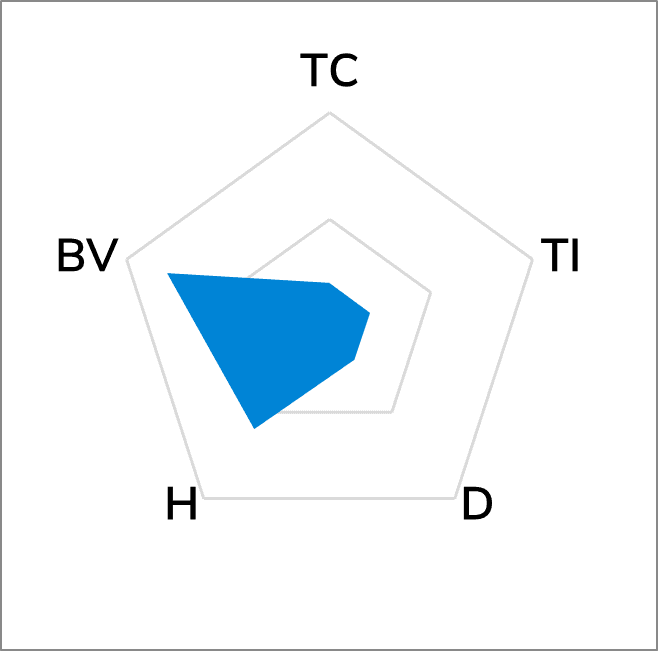 TG-A20KF Thermal Pad | 0.5~10.0 | 1.8 | 0.004302 | 1.672 | 3 | 55 | 13 | Quote & Sample |
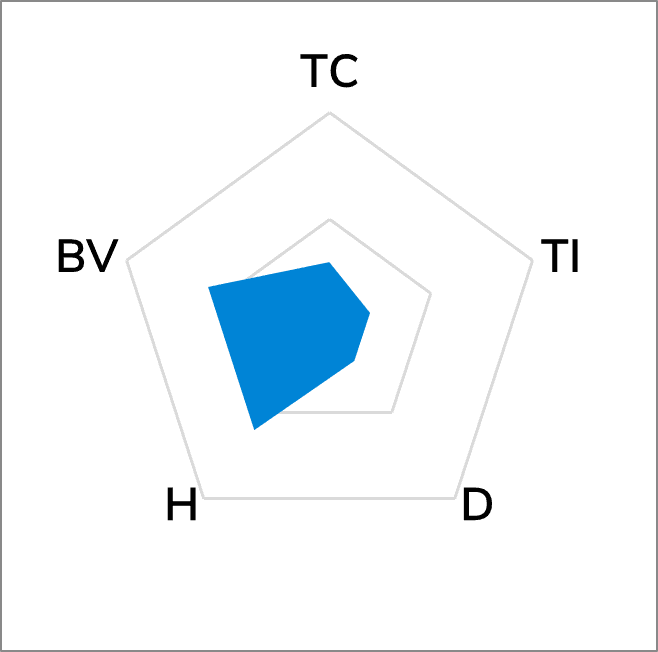 TG-A38KF Thermal Pad | 0.5~10.0 | 3.3 | 0.007887 | 1.12285 | 2 | 60 | 10 | Quote & Sample |
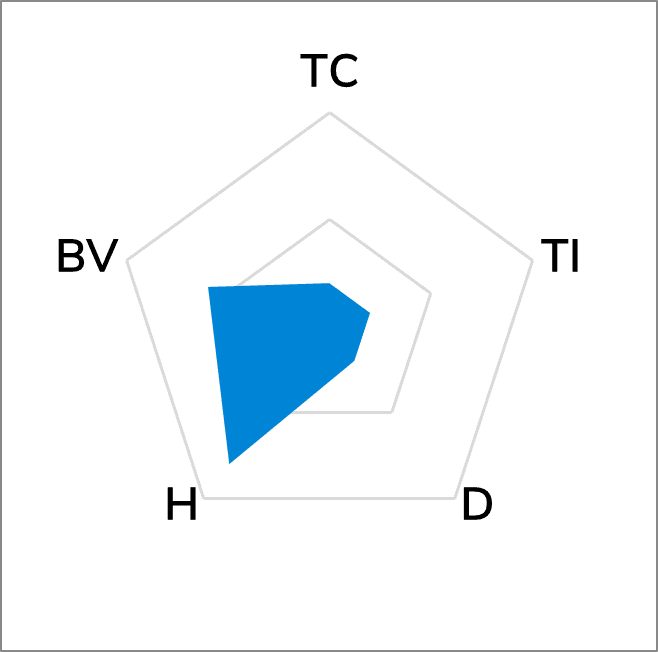 GT10D Thermal Pad | 0.25 | 1.5 | 0.003585 | 0.444 | 5 | 75 | 6 | Quote & Sample |
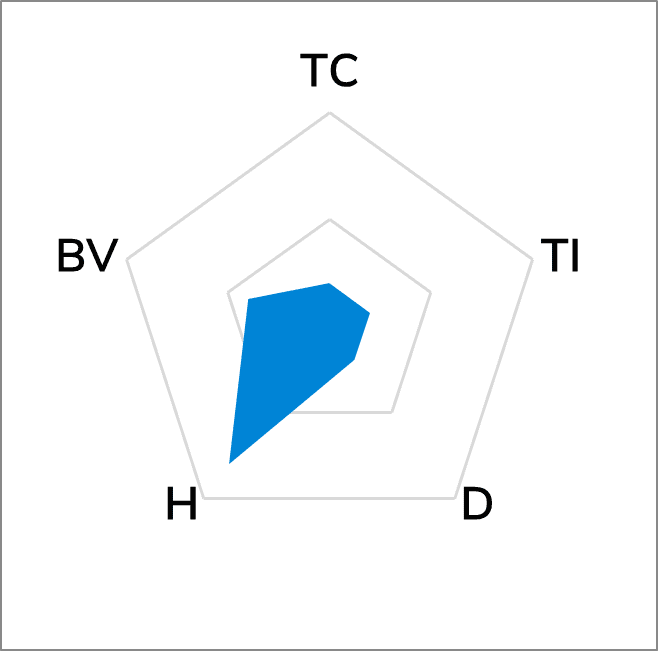 TG-AGT15 Thermal Pad | 0.23 | 1.6 | 0.003824 | 0.49 | 4 | 75 | 4.1 | Quote & Sample |
| Test Method | ASTM D374 | ASTM D5470 Modified | ASTM D5470 Modified | ASTM D2240 | ASTM D149 | |||
Non-Silicone Type
| Properties | Thickness | Thermal Conductivity | Thermal Impedance | Deflection | Hardness | Dielectric Breakdown Voltage | ||
|---|---|---|---|---|---|---|---|---|
| Unit | mm | W/m•K | cal/cm·sec·°C | Shore OO | KV/mm | |||
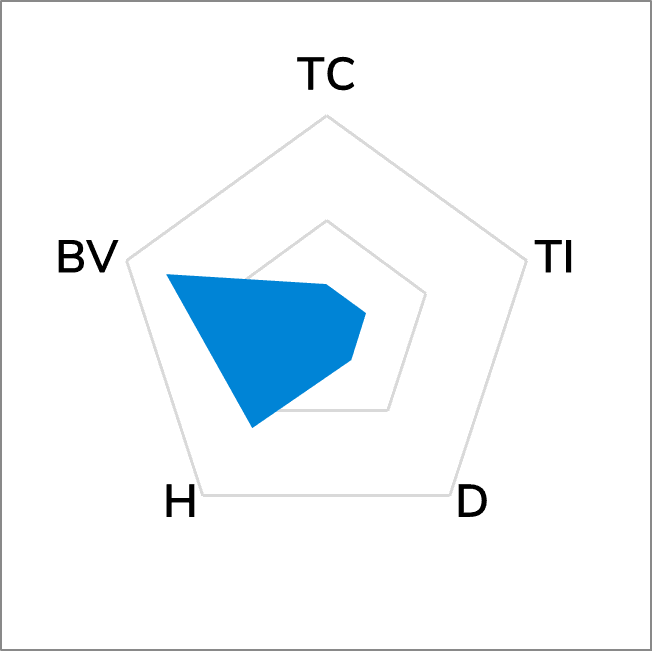 TG-APC93 Non-Silicone Thermal Pad | 0.5~5.0 | 2.1 | 0.005019 | 0.95 | 9 | 55 | 10.2 | Quote & Sample |
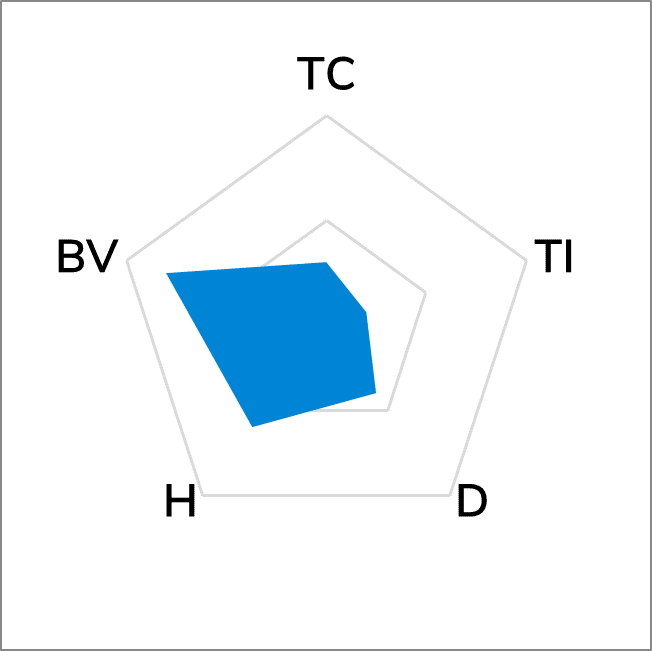 TG-APC94 Non-Silicone Thermal Pad | 0.5~5.0 | 4.2 | 0.010038 | 0.64 | 18 | 50 | 10.2 | Quote & Sample |
 Ti900 Thermally Conductive Insulators | 0.12 | 1.9 | 0.004541 | 0.49 | 34 | - | 6.1 | Quote & Sample |
| Test Method | ASTM D374 | ASTM D5470 Modified | ASTM D5470 Modified | ASTM D2240 | ASTM D149 | |||
Thermal pads are conformable thermal interface materials placed between heat-generating electronic components and heat sinks, housings, or other cooling surfaces. They help fill air gaps and surface irregularities so heat can transfer more efficiently away from components during operation.
T-Global USA is a leading manufacturer of advanced thermal management solutions, specializing in high-performance interface materials for global industrial applications. Our team works directly with designers to integrate effective thermal interface materials into complex hardware architectures. Learn more about heat transfer, our material options, and the diverse applications of thermal pads.
How Thermal Pads Support Heat Transfer in Electronics
Junction temperatures in electronic components and systems can increase when dissipation cannot keep pace with generation. Performance may decline when heat accumulates faster than it dissipates.
Thermal pads can be used to fill air gaps between chips and heat sinks. These conformable materials help create a heat path between heat sinks and electronic devices where uneven surface topography, air gaps, and texture preclude good thermal transfer. The conformable pad compresses into these spaces to establish solid metal-to-pad-to-metal contact, and heat moves from the junction through the pad and into the heat sink.
Types of Thermal Pads
T-Global offers different types of thermal pads with varying properties and applications.
Silicone-Based Thermal Pads
Our silicone thermal pad portfolio includes a wide range of thicknesses, sizes, and engineered formulations to meet diverse thermal management needs across electronic applications.
- High Thermal Conductivity and Good Compressibility. TG-A3500 requires minimal compressive force, making it well-suited for delicate components. TG-A6200 and TG-A1780 are optimized for high-power electronics, delivering efficient heat transfer in demanding applications such as power converters and RF amplifiers.
- Enhanced Mechanical Durability. TG-A20KX and TG-A38KX provide enhanced strength and resilience. These materials resist deformation under pressure, making them suitable for applications where mechanical durability and dimensional stability are important.
- Low-Bleed Formulations. TG-A1800L, TG-A3200L, and TG-A5000L are engineered to minimize silicone oil migration under heat and pressure. This makes them suitable for applications where reduced bleed is an important material-selection requirement.
- Ultra Soft and Low Thermal Impedance. TG-AD66 and TG-AD75 offer low hardness for high conformability and reduced assembly pressure. TG-AD30D is certified to ASTM E595, making it suitable for aerospace, small satellite, vacuum, and other applications where low-outgassing performance is required.
- Fiberglass Mesh Reinforcement. TG-A6200F and TG-A9000F provide improved dimensional stability during handling and assembly. They also support electrical insulation requirements in suitable designs.
At T-Global, we can also post-process materials into die-cut shapes or add adhesive backing.
Non-Silicone-Based Thermal Pads
At T-Global, we also provide non-silicone thermal pads to help address silicone or siloxane contamination concerns in sensitive components. Options such as TG-APC93 and TG-APC94 provide non-silicone alternatives for applications where silicone polymers should be minimized. These thermal pads are available in different thicknesses and formats depending on application requirements.
Applications of Thermal Pads
Thermal pads from T-Global can be used in industrial equipment, aerospace electronics, renewable energy systems, telecommunications equipment, automotive electronics, and other applications.
Industrial Equipment
High-conductivity thermal pads can be used to move heat from semiconductor packages to chassis-mounted heat sinks. Reinforced and mechanically durable grades can also support applications that experience vibration, pressure, or repeated thermal cycling.
Telecommunications Equipment
Thermal pads can bridge gaps between heat-generating components such as ICs and amplifiers and nearby heat sinks in telecommunications equipment. Soft pads can compress under relatively low clamping force, which can help in compact assemblies with limited vertical space.
Automotive Electronics
Battery controllers, inverters, and DC-DC converters in EVs operate under demanding thermal and mechanical conditions. Suitable thermal pad types include flexible silicone-based pads for uneven surfaces and non-silicone pads for applications where silicone or siloxane contamination is a concern.
Aerospace Electronics
Aerospace and small satellite systems may require thermal interface materials with controlled outgassing characteristics. TG-AD30D is certified to ASTM E595 and provides a low-outgassing thermal pad option for vacuum, aerospace, and sensitive electronic applications.
Renewable Energy Systems
Solar inverters, battery systems, and other power electronics can contain IGBTs, MOSFETs, and diodes with different thermal interface requirements. T-Global can support thermal pad selection based on component geometry, gap size, heat load, and overall thermal design.
Medical Tools and Equipment
Diagnostic imagers, surgical lasers, LED-based instruments, and other medical electronic systems can generate concentrated heat in compact housings. Thermal pad selection should consider the thermal, electrical, mechanical, environmental, and regulatory requirements of the final application.
Thermal Simulation Support and Material Selection
T-Global’s simulation team models heat flow before physical prototypes are built. Engineers can use simulation results to evaluate junction temperatures, thermal resistance paths, pad thickness, and thermal conductivity requirements.
After the simulation defines thermal targets, our engineers can support thermal testing to help verify performance under application-specific conditions.
Frequently Asked Questions About Thermal Pads
What is a thermal pad?
A thermal pad is a conformable thermal interface material placed between a heat-generating electronic component and a heat sink, housing, cold plate, or other cooling structure. It helps fill air gaps and surface irregularities to support heat transfer.
What are thermal pads used for?
Thermal pads are used to improve thermal contact between electronic components and cooling surfaces. Common applications include telecommunications equipment, automotive electronics, industrial systems, aerospace electronics, renewable energy systems, power electronics, and other heat-generating assemblies.
How does a thermal pad improve heat transfer?
A thermal pad fills gaps and uneven areas between mating surfaces that could otherwise contain insulating air. Under compression, the material conforms to the interface and supports a more continuous path for heat to move from the component to the cooling structure.
What is the difference between a thermal pad and thermal grease?
A thermal pad is a solid, conformable interface material available in controlled thicknesses and is typically used where a defined gap must be filled. Thermal grease has a softer and more fluid consistency and is generally used at relatively thin interfaces to fill microscopic surface irregularities.
What is the difference between a thermal pad and thermal putty?
A thermal pad is supplied in a defined thickness and shape, while thermal putty has a softer consistency and can conform to larger or more variable gaps. The appropriate material depends on gap size, surface geometry, assembly conditions, and thermal requirements.
Does T-Global offer silicone and non-silicone thermal pads?
Yes. T-Global offers both silicone-based and non-silicone thermal pads. Silicone grades support a wide range of thermal, mechanical, and compression requirements. Non-silicone options such as TG-APC93 and TG-APC94 are available for applications where silicone polymers or siloxane contamination are a concern.
Does T-Global offer low-outgassing thermal pads?
Yes. TG-AD30D is certified to ASTM E595 and is designed for aerospace, small satellite, vacuum, and other applications where low-outgassing performance is required.
What factors should I consider when selecting a thermal pad?
Engineers should consider thermal conductivity, thermal impedance, thickness, gap size, hardness, compressibility, electrical properties, material formulation, operating environment, and assembly pressure.
Can T-Global customize thermal pad shapes?
Yes. T-Global provides thermal pad post-processing, including die-cut shapes and adhesive backing for application-specific requirements.
Does T-Global provide thermal simulation support?
Yes. T-Global provides thermal simulation and thermal testing to help engineers evaluate material thickness, thermal conductivity, thermal resistance paths, and overall thermal performance.
Can I request a thermal pad sample?
Yes. Request a quote or sample to discuss your application requirements and evaluate a suitable thermal pad.
Contact T-Global for Thermal Pads
Thermal pads must conform to surface irregularities, support heat transfer, and meet the mechanical and electrical requirements of the application. T-Global USA provides silicone thermal pads and non-silicone options for a wide range of thermal management needs.
Our engineering team supports thermal simulation, material selection, testing, and post-processing to help match thermal pad characteristics to application requirements.
Request a quote or sample to address your cooling requirements.