Phase Change Materials
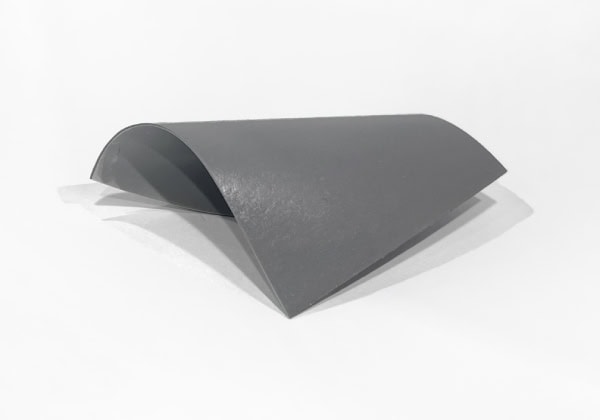
Phase Change Materials
| Properties | Thermal Conductivity | Thickness | Thermal Impedance | Breakdown Voltage(AC) | Density | ||
|---|---|---|---|---|---|---|---|
| Unit | W/m•K | cal/cm·sec·°C | mm | °C*in²/W | KV | g/cm³ | |
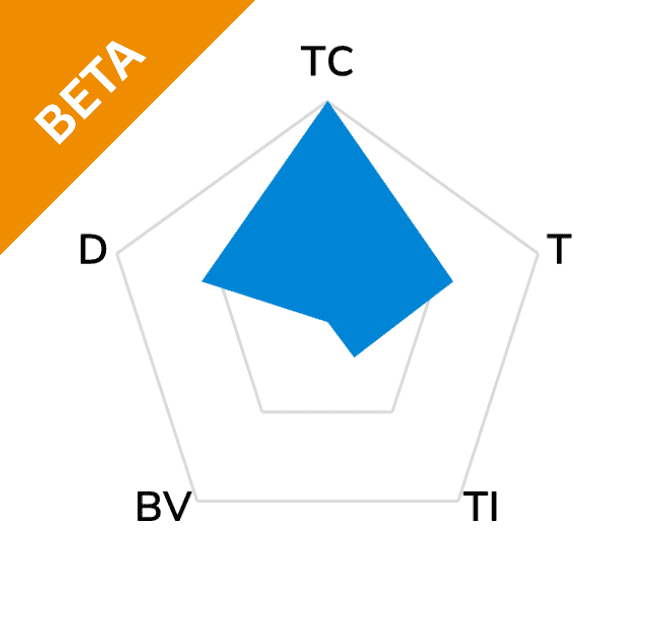 TG-PCM095 Phase Change Material | 9.5 | 0.022706 | 0.20/0.25 | 0.006 | - | 2.55 | Quote & Sample |
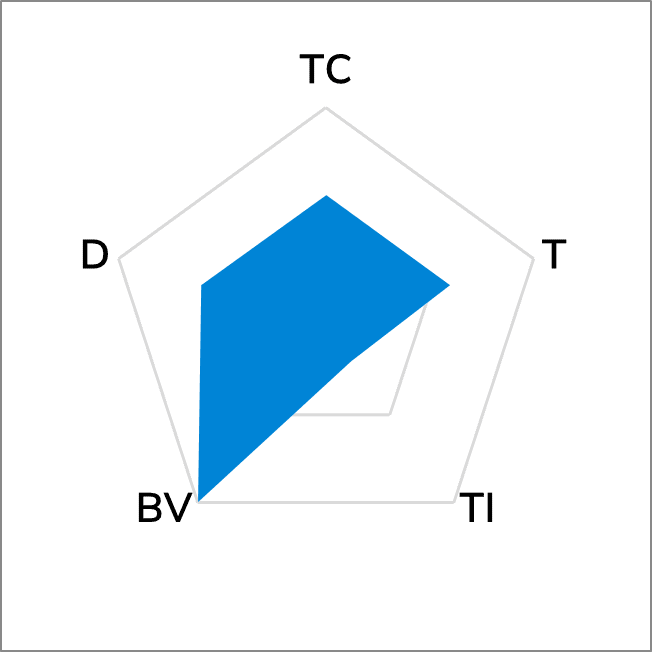 TG-V838 Phase Change Material | 3.8 | 0.009082 | 0.13 | 0.120 | 1 | 2.5 | Quote & Sample |
| Test Method | ASTM D5470 Modified | ASTM D374 | ASTM D5470 Modified | ASTM D149 | ASTM D792 | ||
Phase Change Materials for Thermal Management
Phase change materials (PCMs) are thermal interface materials designed to improve heat transfer between heat-generating components and cooling surfaces.
When the material reaches its phase transition temperature, it softens and flows into microscopic surface irregularities between the heat source and heat sink. This helps displace trapped air, improve surface contact, and reduce thermal contact resistance.
As the system cools, the material returns to a more solid state while remaining positioned at the thermal interface. This phase-change behavior makes PCM thermal interface materials particularly suitable for applications that experience repeated heating and cooling cycles.
For applications with fluctuating thermal loads, phase change materials can also help maintain reliable interface performance as operating temperatures change.
T-Global Phase Change Materials
T-Global offers phase change thermal interface materials for different thermal and electrical requirements.
- High Thermal Conductivity:
TG-PCM095 provides a thermal conductivity of 9.5 W/m·K for applications requiring efficient heat transfer. - Controlled Phase Transition:
TG-PCM095 has a phase transition temperature of approximately 45°C, allowing the material to conform more closely to the interface as the system reaches operating temperature. - Low Thermal Impedance:
Under compression, TG-PCM095 provides low interface thermal resistance for improved heat transfer between components and cooling structures. - Electrical Insulation Options:
For applications requiring both thermal management and electrical insulation, TG-V838 provides a thermal conductivity of 3.8 W/m·K with electrical insulation capability.
Material selection should be based on operating temperature, interface pressure, electrical requirements, surface condition, and overall thermal design. Test methods vary by material and property. Please refer to the individual product datasheet for applicable ASTM test methods.
TG-PCM095 Thermal Performance
TG-PCM095 is a high-performance phase change thermal interface material designed for applications requiring low thermal resistance and reliable interface contact.
- Thermal Conductivity: 9.5 W/m·K
- Phase Transition Temperature: 45°C
- Available Thickness: 0.20 mm / 0.25 mm
- Operating Temperature: -50°C to +140°C
- Density: 2.55 g/cm³
- Thermal Impedance @ 10 psi: 0.0173 °C·in²/W
- Thermal Impedance @ 30 psi: 0.0063 °C·in²/W
- Thermal Impedance @ 50 psi: 0.0057 °C·in²/W
TG-PCM095 is also REACH compliant and RoHS compliant.
Applications for Phase Change Materials
Phase change thermal interface materials can be used wherever efficient heat transfer is required between electronic components and cooling structures.
AI and High-Performance Computing
High-power processors, GPUs, accelerators, and other computing devices generate concentrated heat at the package level. PCM thermal interface materials can help reduce interface resistance between these components and heat spreaders, cold plates, or heat sinks.
Automotive and EV Power Electronics
PCM materials can be used in automotive electronics, power modules, controllers, and other components that experience repeated thermal cycling. Their phase-change behavior helps maintain effective interface contact as operating temperatures change.
Telecom and Data Center Equipment
Servers, networking equipment, telecom systems, and edge computing platforms require reliable thermal interfaces between high-power components and cooling hardware. PCMs provide a thin thermal interface while improving surface conformity at operating temperature.
Power Electronics and Renewable Energy Systems
Inverters, converters, power modules, and other power electronics used in solar and energy systems can generate significant heat during operation. Phase change thermal interface materials can help improve heat transfer from these devices into the cooling structure.
Aerospace and Industrial Electronics
Applications with limited installation space or demanding temperature conditions can benefit from thin PCM thermal interfaces that reduce thermal contact resistance without requiring a thick gap-filling material.
Thermal Simulation and Material Selection
Selecting the right phase change material depends on several factors, including operating temperature, phase transition temperature, interface pressure, material thickness, electrical requirements, and surface geometry.
T-Global USA provides
thermal simulation services
to help engineers evaluate heat flow, interface conditions, and thermal performance before finalizing a material specification.
Our engineering team can also help compare phase change materials with thermal pads, thermal putty, thermal grease, graphite solutions, and other thermal interface materials based on the application’s mechanical and thermal requirements.
Why Use Phase Change Materials?
Phase change thermal interface materials combine the handling characteristics of a solid interface material with improved surface conformity at operating temperature.
Once the material reaches its phase transition temperature, it can conform more closely to microscopic surface irregularities between mating surfaces. By reducing air gaps and thermal contact resistance, the material creates a more effective thermal path from the heat source to the cooling structure.
For systems with thin bond-line requirements and repeated thermal cycling, PCM thermal interface materials can provide an effective alternative to conventional thermal pads or thermal grease.
Request a quote or sample
to discuss your operating temperature, interface pressure, material thickness, and thermal performance requirements with T-Global USA.
Frequently Asked Questions About Phase Change Materials
What is a phase change thermal interface material?
A phase change thermal interface material is a TIM designed to improve heat transfer between a heat-generating component and a cooling surface. At its phase transition temperature, the material softens and conforms to microscopic surface irregularities, helping reduce air gaps and thermal contact resistance.
How do phase change materials improve thermal performance?
Air trapped between two mating surfaces acts as a thermal barrier. When a PCM reaches its phase transition temperature, it flows into microscopic gaps and creates better surface contact. This reduces interface resistance and improves heat transfer from the component to the heat sink, heat spreader, or cold plate.
What is the phase transition temperature of TG-PCM095?
TG-PCM095 has a phase transition temperature of approximately 45°C. As the interface approaches this temperature, the material softens and conforms more closely to the mating surfaces.
What is the thermal conductivity of TG-PCM095?
TG-PCM095 has a thermal conductivity of 9.5 W/m·K, making it suitable for applications requiring high thermal conductivity combined with a thin phase change thermal interface.
What thicknesses are available for TG-PCM095?
TG-PCM095 is available in 0.20 mm and 0.25 mm thicknesses. Die-cut shapes can also be considered depending on the application and component geometry.
What is the difference between a phase change material and a thermal pad?
A thermal pad typically remains solid and is commonly used to accommodate larger gaps between components. A phase change material is generally used for thinner interfaces and softens at its transition temperature to improve surface conformity and reduce contact resistance.
The appropriate material depends on gap size, interface pressure, operating temperature, electrical requirements, and mechanical tolerances.
What is the difference between phase change material and thermal grease?
Thermal grease is already soft or fluid during installation and can provide a very thin bond line. A phase change material is easier to handle in its solid state before installation and softens after reaching its phase transition temperature.
PCM materials can therefore provide a cleaner and more controlled installation option for certain production environments.
Can phase change materials provide electrical insulation?
Electrical properties depend on the specific PCM formulation. TG-PCM095 should be selected primarily according to its thermal and mechanical specifications. For applications requiring both thermal performance and electrical insulation, T-Global offers electrically insulating PCM options such as TG-V838.
Where are phase change thermal interface materials commonly used?
PCM thermal interface materials can be used in AI servers, GPUs, power electronics, telecom equipment, automotive electronics, EV systems, industrial equipment, aerospace electronics, renewable energy systems, and other applications where low interface thermal resistance is required.